Residential & Commercial Services
Call Us Today for a Free Estimate! (509) 943-4604
Call Us Today for a Free Estimate! (509) 943-4604

Scheduling Your Estimate
|
How soon will someone give me an estimate?
When you call or email our office, the first thing that we do is notify the Certified Arborist. They will then call you to make the arrangements for your estimate, and can usually be there within a day or two. Keep in mind that they must visit your property to create the estimate because every tree and property is different, and may require different equipment. We can make it sooner if the situation is urgent or a matter of safety.
|
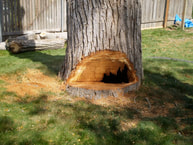
Hidden dangers
|
Why is Tree Work So Expensive?
The act of trimming and removing trees carries an enormous risk to life, limb, and property. Not only are our workers completing their tasks at high elevations, but they are also using heavy equipment and hazardous tools. To mitigate their safety, they must use specialized equipment, such as rigging equipment, helmets, chaps, safety harnesses, and more. In addition to that, insurance premiums are high due to the nature of the work, the risk involved, and the potential costs of claims. Our ISA Certified Arborists have the specialized skills and knowledge to make sure the work is carried out safely, and you gain the long-term benefits of having a healthier and more beautiful landscape.
|
What is Arboriculture?
|
What is arboriculture?
"Arboriculture is the cultivation, management, and study of individual trees, shrubs, vines, and other perennial woody plants. The science of arboriculture studies how these plants grow and respond to cultural practices and to their environment." ~Wikipedia
"To earn an ISA Certified Arborist credential, you must be trained and knowledgeable in all aspects of arboriculture. ISA Certified Arborists must also adhere to the Code of Ethics that strengthens the credibility and reliability of the workforce." ~ISA |
Check the Yellow Pages!
|
How do I choose a professional tree service?
Selecting a tree service should be considered carefully. Plants are living things. Trees and shrubs add beauty and value to your property and deserve proper care. Start your search by consulting the Yellow Pages or search online. The size of the ad does not indicate the size of the company, and the size of the company does not indicate the quality of the work. Experience, training, and proper procedures ensure professional performance. Choosing Artistic Treeworks is your assurance of highest quality work done by experienced professionals. |

All Bids Are Not Equal
|
What about comparison bids?
If you are getting comparison bids, you may find they vary considerably. One bid of $1500 might include careful pruning according to ANSI A300 Standards and performed by a trained, reputable, and insured firm. A bid of $200 on the same job might be a quick butcher job by an uninsured, disreputable firm. Be aware that bids of nearly the same amount may not represent the equivalent quality or the amount of work. The important thing about gathering comparative bids is that each firm estimates the same work, and that you understand the quality of work provided. Word of mouth from satisfied customers is a good indication of the quality of a firm's work. |

Safety First!
|
What other factors are there in choosing a professional tree care service?
Choose an established service, such as Artistic Treeworks. Beware of firms that have no history, background or credibility. Your best bet is a well-known locally established firm. Deal only with a firm that carries Workman's Compensation Insurance and Liability Insurance as required by state law. This insurance should cover tree care operations and not merely landscaping. Insist on being provided with Certificates of Insurance for Workman's Compensation and Property Liability Insurance. Just because an ad states "Fully Insured" or a business card says "Insured" does not mean that they have insurance. A reputable firm welcomes the opportunity to demonstrate responsibility. |
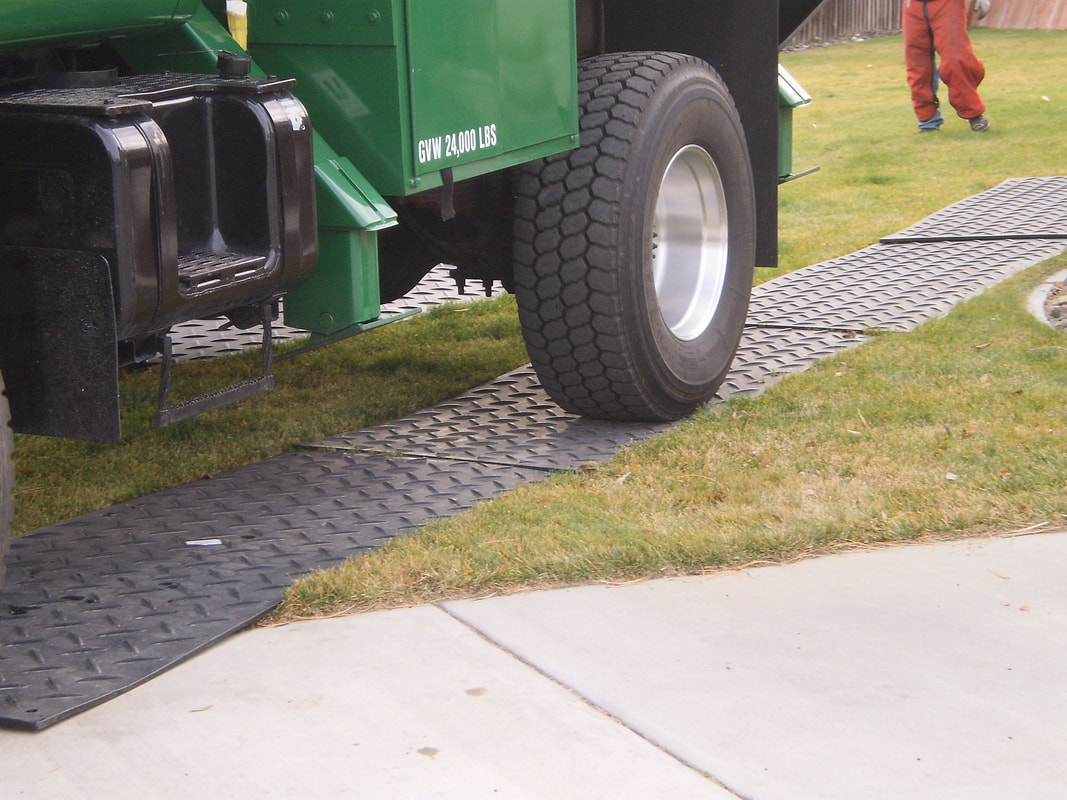
We Use AlturnaMats to Protect the Landscape
|
How will tree work impact my lawn?
Artistic Treeworks takes great care to minimize any possible damage to lawns or landscaping. We use state-of-the-art "AlturnaMATS" to protect lawns from unsightly damage which might be caused by lift trucks or chippers. Our crews also use tarps extensively to facilitate branch and debris removal. |
ISA Certified Arborist
|
What else should I look for?
Look for affiliation with professional trade associations and Certification. A firm that actively supports their professional trade associations indicates a management policy of staying informed of the latest technology. Professional associations have Standards of Performance that are arboriculturally correct and ethical. Being an ISA certified Arborist or a member of a professional trade association does not guarantee high standards of practice. Artistic Treeworks has consistently performed tree care operations at a highly ethical and professional level since 1984. |
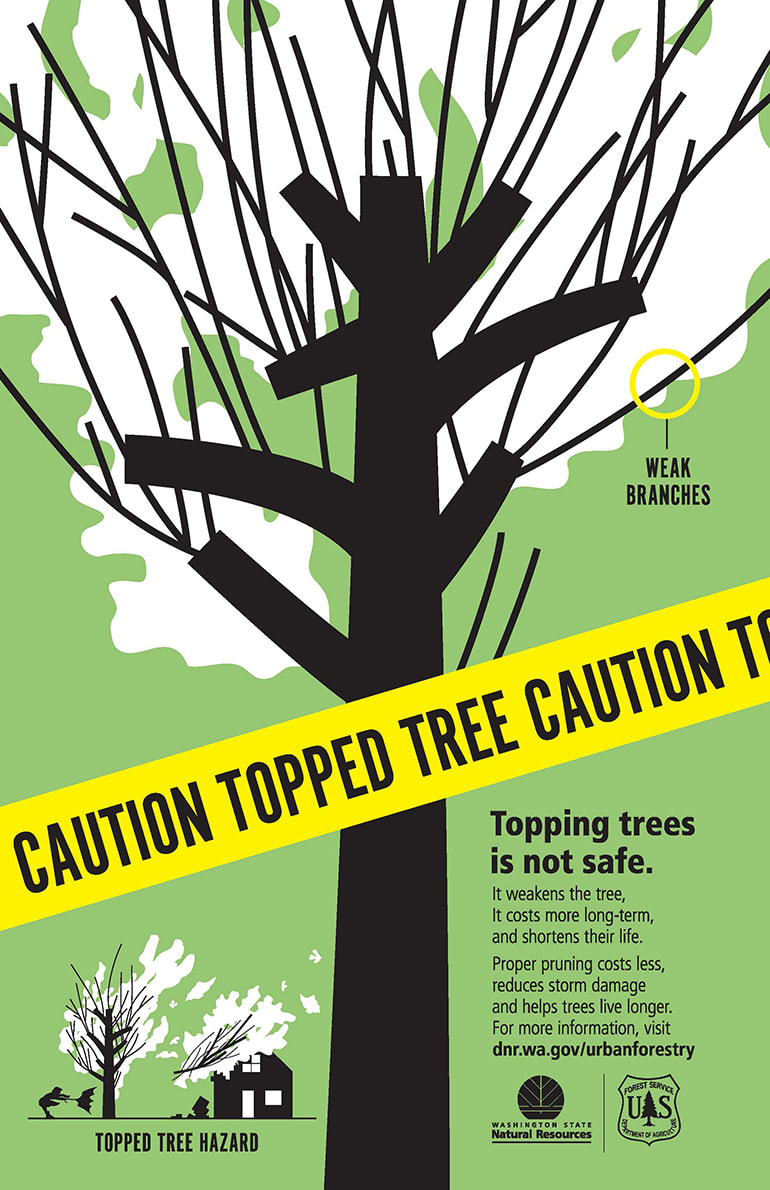
Don't Top Trees!
|
Why shouldn't I have a tree topped?
Topping, also called "Heading Back" or "Hatracking", refers to the removal of major portions of a tree's crown by cutting branches indiscriminately. Topping severely injures trees. It sometimes kills them outright. Why would a tree owner ask to have a tree topped? There seems to be two main reasons:
Topping destroys the natural form of a tree. It stimulates excessive, undesirable growth and quickly defeats the original purpose of pruning. Restorative pruning, over time, can slowly bring back its natural shape after a tree has been topped. A tree's life is sharply reduced by topping and the resultant decay weakens the limbs and trunk. Topping lowers tree values. A low bid to top a tree becomes the most expensive method when considering the loss of tree value and the increasing maintenance costs required to preserve an unnatural form. Topping cannot make a tree safe because it causes more problems. Those who ignore proper tree care and top trees, ensure long loss to everyone, especially the tree. |
Contractor's License #ARTIST*088JB
Office: 2716 Van Giesen St, Richland, WA 99354 | Phone: (509) 943-4604 | Email: info@artistictreeworks.com